Grow More in Less Space!
Even if your only outdoor space is a balcony or small courtyard, you can still grow your own food. It’s just a case of maximising the space that you have available. In our 7 tips for veggie pot gardening on your balcony, we will walk you through some easy steps to get started.
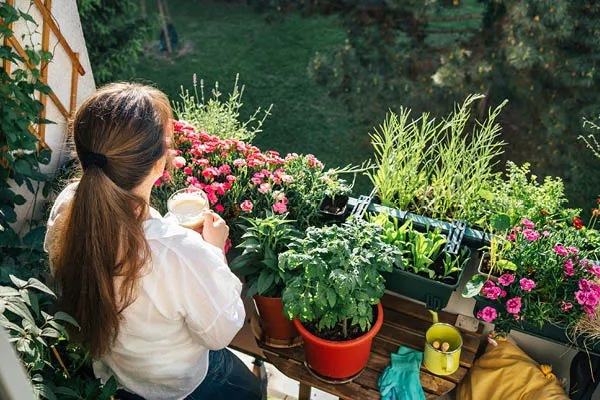
1. Observe your balcony throughout the day
Before you decide what you’d like to grow on your balcony, it’s important to work out how much sun it gets throughout the day.
Some plants require sun for most of the day (at least six hours) while others will grow happily in partly shaded spots. As a general guide, fruiting plants such as tomatoes, capsicum, cucumbers, eggplants and chillies will require a fair amount of sun.
Green leafy vegetables such as different varieties of lettuce and spinach and many different varieties of herbs will happily grow in more shaded spots.
So, reserve the sunnier spots on your balcony for growing your fruiting crops and place the leafy crops in the shadier spots.
2. Maximise your space with different types of pots
Don’t just use pots that you place on the floor of the balcony! There are loads of different pots available to help you use all your available space.
You can get pots that clip over the railing of your balcony, taking advantage of a disused vertical space on the outside of your balcony!
Hanging pots are also very useful for growing a variety of different vegetables and these make good use of vertical spaces. Also, consider edible flowers in your mix such as violas and nasturtiums as they look good in a pot and in a salad.
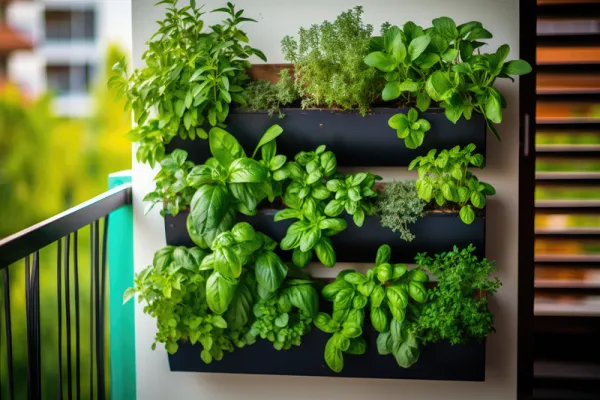
You can also purchase vertical-style planters that can accommodate a number of different pots in a tiered fashion.
If you can get hold of an old wooden ladder, this is perfect for utilising as much space as possible because you can place a number of pots on each rung. I have one of these on my verandah and it makes an excellent plant display unit.
3. Choose dwarf or smaller-growing varieties
Many vegetables are now being bred as dwarf or more compact growing varieties. These are perfect for balcony gardeners.
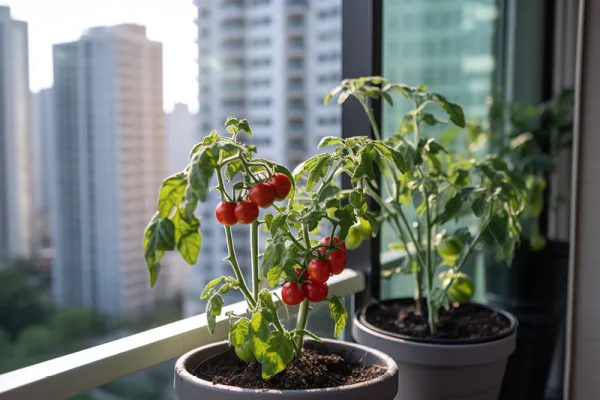
There are compact patio tomatoes that you can purchase as advanced plants or seedlings from hardware and garden centres. These are ideal for a sunny spot on your balcony.
The best approach to choosing what to plant is to selecting veggies and herbs that you like to eat and are easy to grow if you are new to gardening.
When planting water your new seedlings or plants in with Seasol to aid plant establishment, healthy growth and a strong root development.
4. Plant several varieties in one large pot
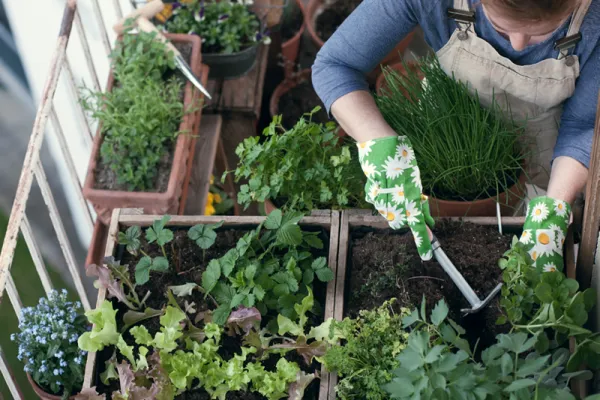
Many vegetables will grow happily together. This means if you have a nice big pot that fits perfectly into a sunny spot on your balcony, you can plant a few different varieties into it. But just make sure the plants will have enough room to grow happily together.
When planting use a premium potting mix (with the red tick on the bag) as it has everything in the bag to make your plants flourish.
For planting ideas consider acompact tomato plant can be complimented with a few loose-leaf lettuce varieties around the edge of the pot plus a selection of herbs such as basil and parsley. This means that you can have a salad garden all in one pot.
Or, if you have a rectangular planter with a climbing trellis for growing beans, peas or cucumbers vertically, you can plant some leafy greens or some spring onions at the front of the planter.
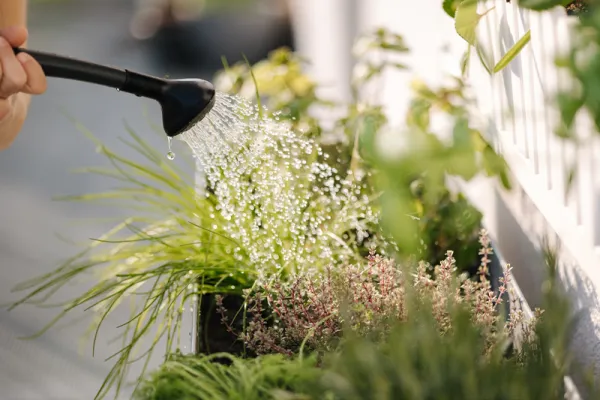
5. Maintain a regular watering schedule
When growing in pots on a balcony, it’s really important to make sure that your plants are well-watered. The soil in pots dries out fairly quickly, especially in the warmer weather.
If you find water pooling on the surface of the mix or running through the pot, then the potting mix may be repelling water (hydrophobic). Applying a soil wetter such as will help to overcome this, getting the water to the plant’s root system.
If you’re just starting out on your gardening journey, a large watering can with a shower attachment will work. It just means that you need to be vigilant and water your plants on a daily basis in summer.
Watering in the cool of the day either early morning or late evening is a good idea as the plant will take it up and there is less chance of evaporation.
Once you become more experienced, you can set up an automatic watering system using a water reservoir, some drip lines and the gravity feed principle.
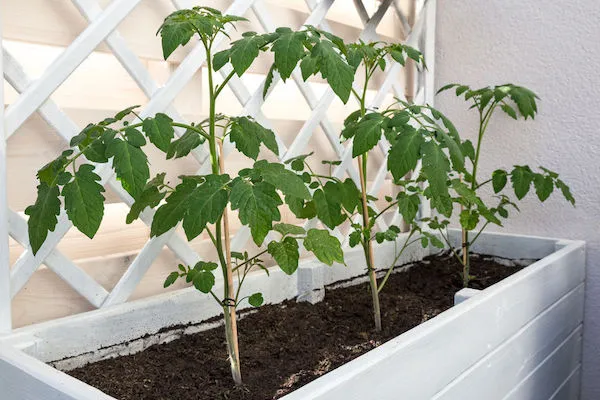
6. Don’t forget to feed your plants
Pot-grown plants will need regular feeding to keep them growing well as their roots can’t travel through the soil in search of nutrients.
The easiest way to do this is by using a liquid fertiliser such as PowerFeed from Seasol. It's been fortified with all the necessary nutrients to keep your plants growing happily while improving the health of the potting mix.
All you have to do is mix it with water in your watering can (Mix 50mL of concentrate per 9 litres of water – standard watering can) and apply every 1 to 2 weeks.
As plants grow watch out for weeds and remove them while they are young. Applying organic mulch such as sugarcane mulch, pea straw or lucerne will help to prevent weeds while keeping the potting mix and plant roots cool.
As plants such as tomatoes, cucumbers, zucchinis start growing, ensure they have a stake or trellis for support so their fruit is off the ground.
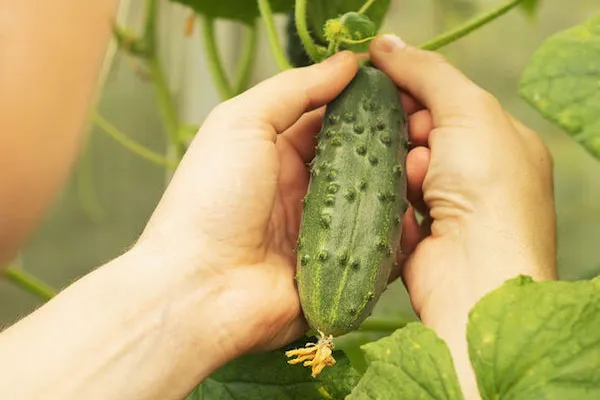
7. Harvest and control pests and diseases
Harvest vegies when they are at their peak. Check on your potted plants, snipping off any dead or diseased foliage, removing plants that have finished harvesting. Early morning is a great time to water so moisture soaks in around the root zone for plants to use during the day.
Check for pests and diseases like snails and slugs, these being the biggest pests for vegie plants. Search plants regularly and destroy them by hand.
Aphids are also a pest that can quickly destroy a vegie crop as they suck all of the water and nutrients from the plant as they feed. Remove also by hand or spray with an appropriate natural pest deterrent like pyrethrum
Lastly, powdery mildew is a common fungal disease which is caused by poor air circulation or wet or humid conditions. To prevent this disease, ensure plants grow with good air circulation by removing excess plants at planting time so each plant has adequate spacing.
Article written originally published by Seasol and written by Annette Hird.