Raised beds are a super popular way of creating vegetable gardens to grow food at home. Some of the benefits of growing in a raised bed include:
- Being able to add good soil if you’re somewhere that has poor soil
- They have strong, defined edges, making it easier to keep weeds out
- They can be built on hard surfaces
- They raise the height of your garden, making the beds more accessible for people with mobility issues
- They look good!
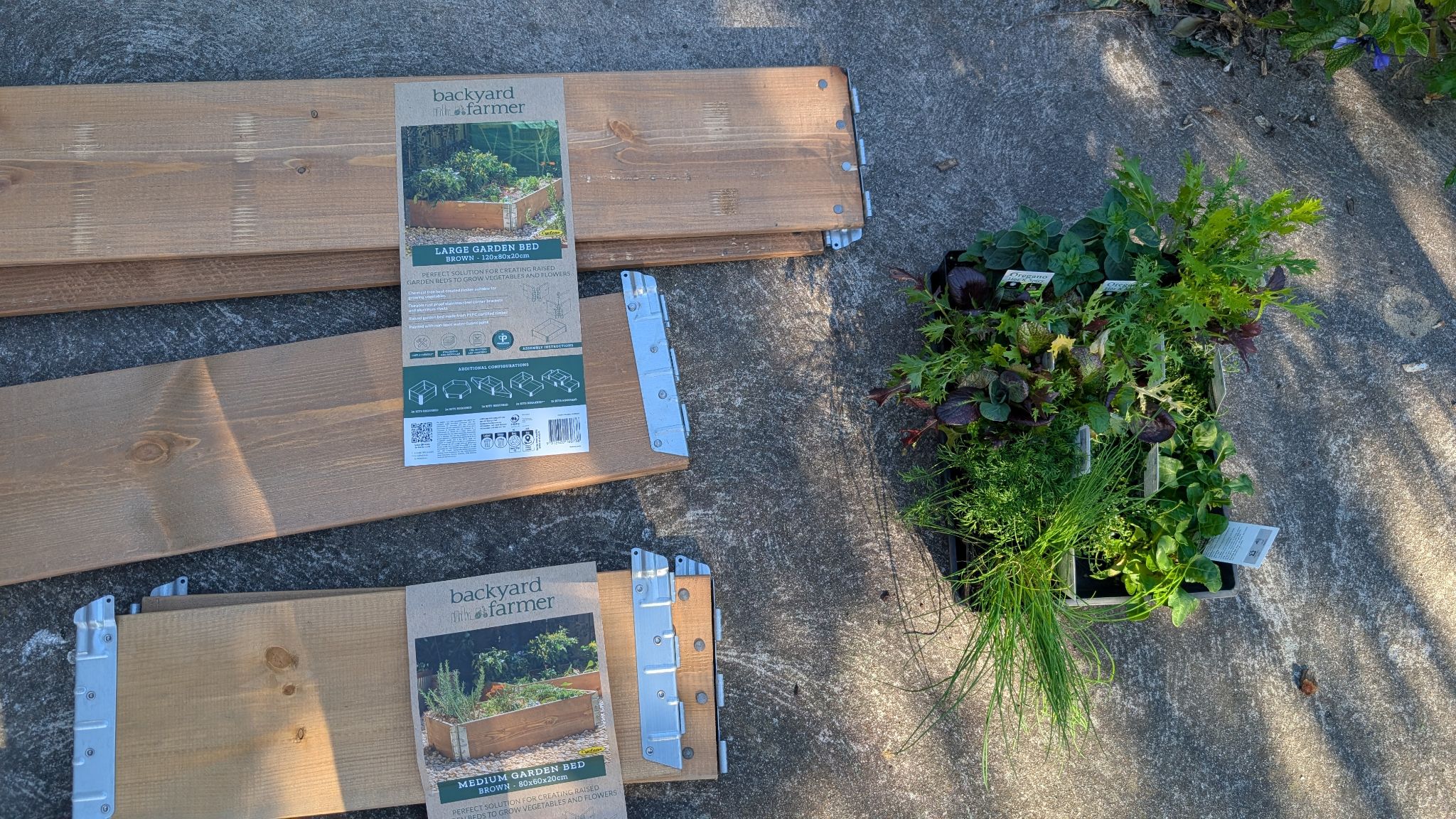
If you’re the D.I.Y type, you can build your own raised bed using raw materials. Or if you don’t have the tools and the know-how, you can easily pick up an off the shelf option like the Large Raised Garden Bed and Medium Raised Garden Bed from Backyard Farmer.
2. Pick your spot
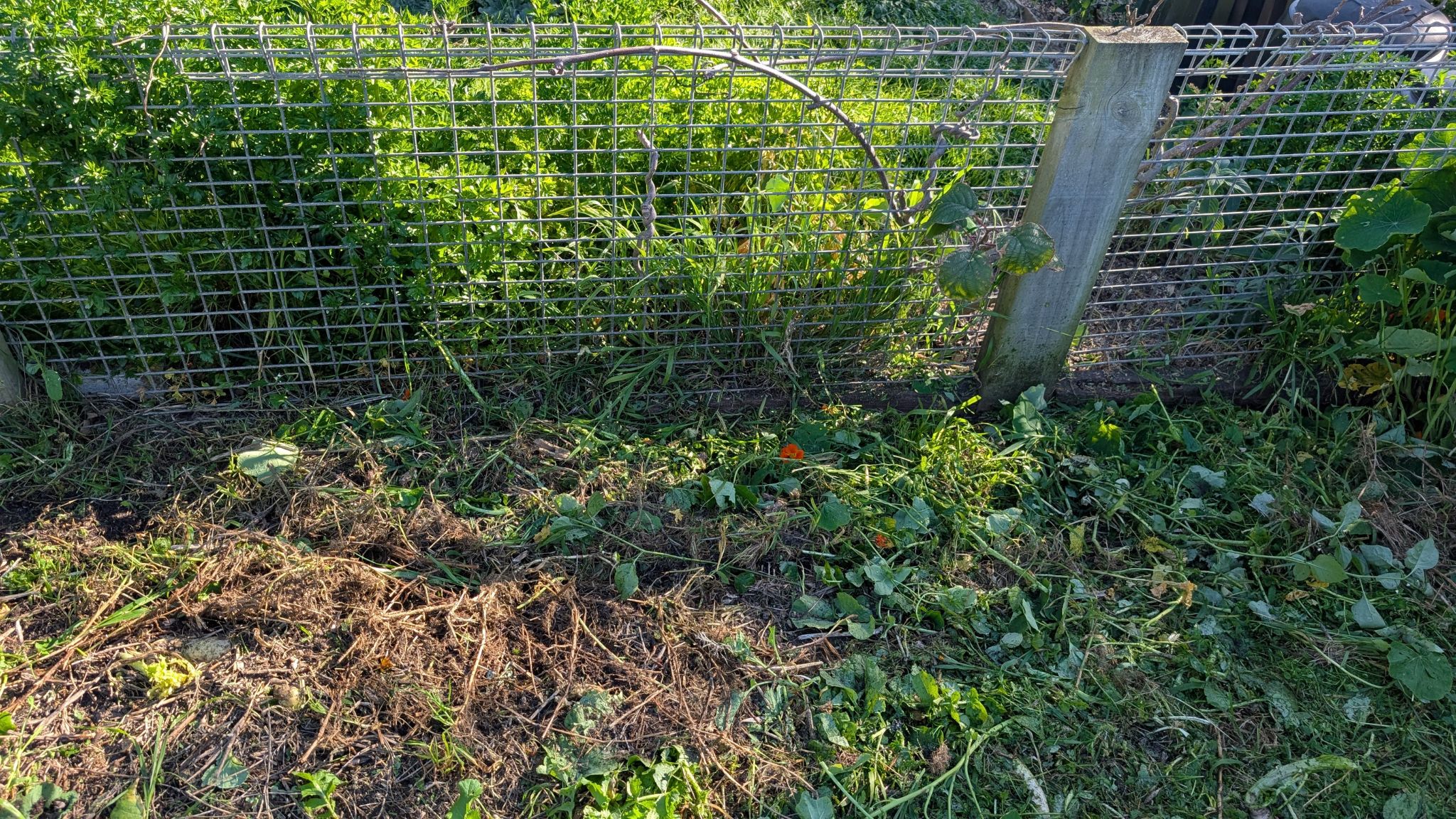
Pick a spot that’s flat, gets plenty of sun (at least six hours a day), and is within easy reach of water. Raised beds drain well and warm quickly—but they can dry out fast too. Avoid shady corners or damp hollows where drainage is poor. This spot is against a fence next to my main veggie patch, it gets loads of morning and midday sun, is close to a tap, perfect! To prep the site for installing the garden bed, I just knocked back the grass and nasturtiums with a whipper snipper and now it’s good to go.
3. Assemble the raised Bed
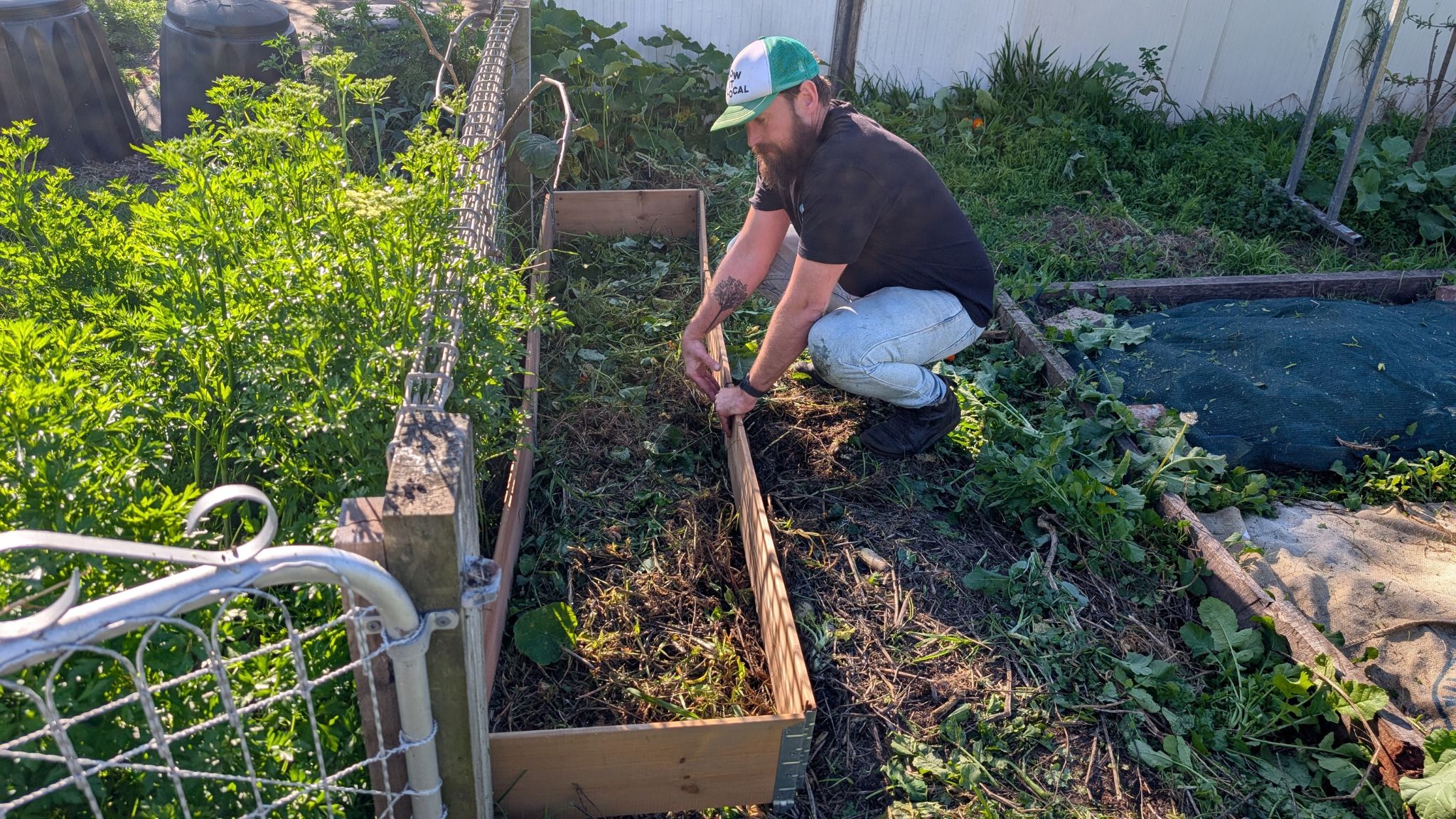
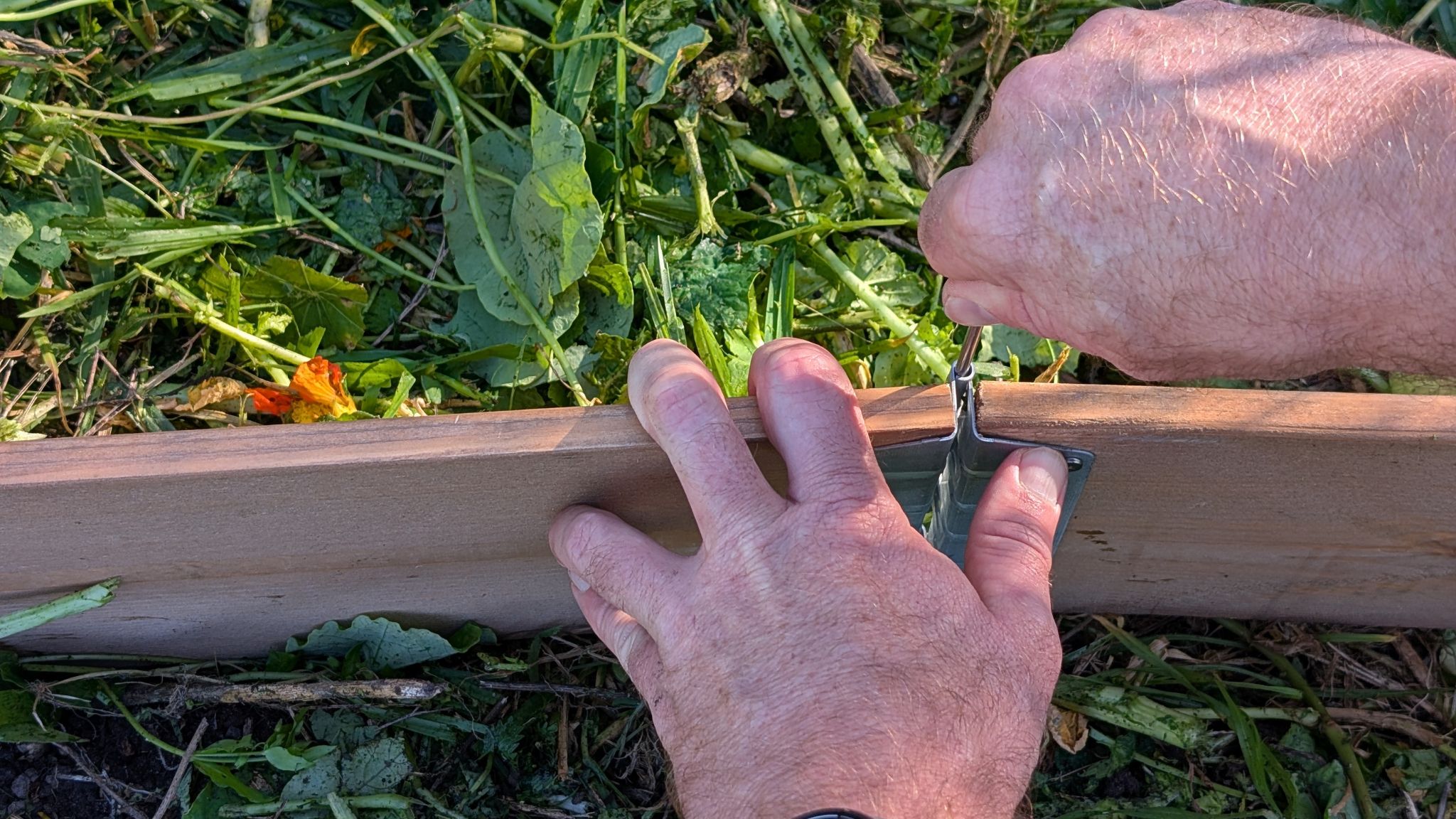
First, lay the pieces of the raised beds out in the shape that you want to assemble it in. The beauty of these beds is that they can be configured in a number of different ways depending on your space and taste. Check THIS clip out to see some of the options. Once you’ve decided on your configuration, then use the provided pins to join the sections of the bed together. It’s super easy, assembling this bed only took me about 5 minutes!
4. Add a base layer
This step is optional, but highly recommended. A base layer will suppress grass and weeds from growing up through your soil and taking over your garden bed. One option is to use weed matting, but my personal preference is a nice thick layer of cardboard. It suppresses any grass or weeds in the months of your garden bed and then gradually breaks down feeding your soil. I try to avoid using any plastics in my patch!

4. Fill with Potting Mix (the Good Stuff)
I’ve combined a Large Garden Bed and a Medium Garden Bed from Backyard Farmer to build this bed, and to fill it up I needed around 250L of potting mix (5x 50L bags). Whenever you’re buying bagged potting mix, make sure you look for the good stuff, it’s usually labelled as premium and will have a little symbol with 5 white ticks in a red box on it. This means that’s a certified product that meets Australian standards. Whenever I’m starting off a new bed and adding soil or potting mix, I also like to add a bucket of my home made compost or worm castings over the top of the soil, to make sure my plants have everything they need to grow.
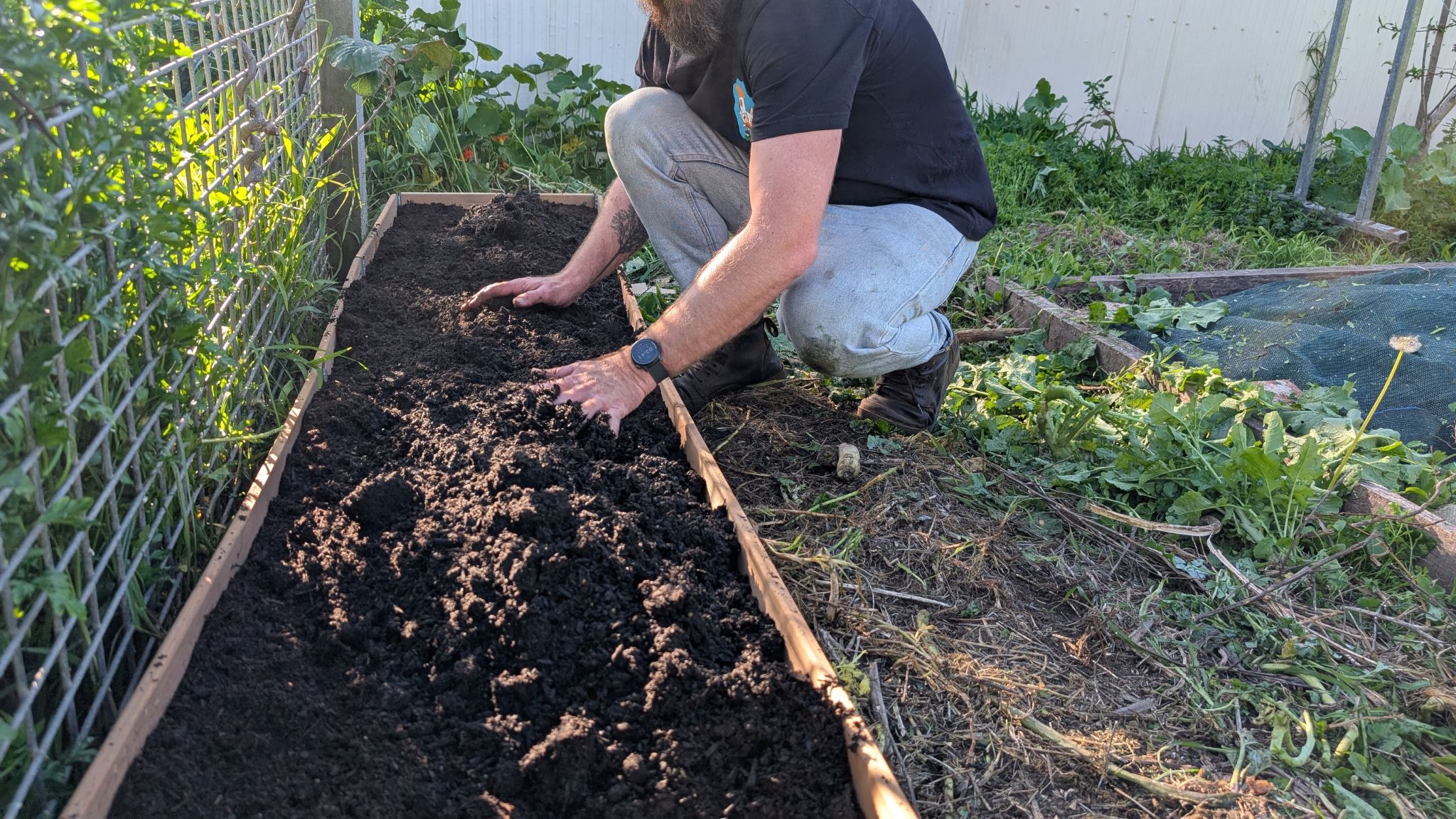
5. Fill your bed with plants
Look at that, a brand new garden bed ready to go. There’s no point in just standing there and looking at it though, it’s time to do some planting. You can either sow seeds or plant seedlings or a mixture of both into your new bed. I want maximum growth as quickly as I can for this bed, so I’ve opted for filling it with seedlings. Here I’ve planted thyme, oregano, dill, silverbeet, mustard, tatsoi and mizuna.
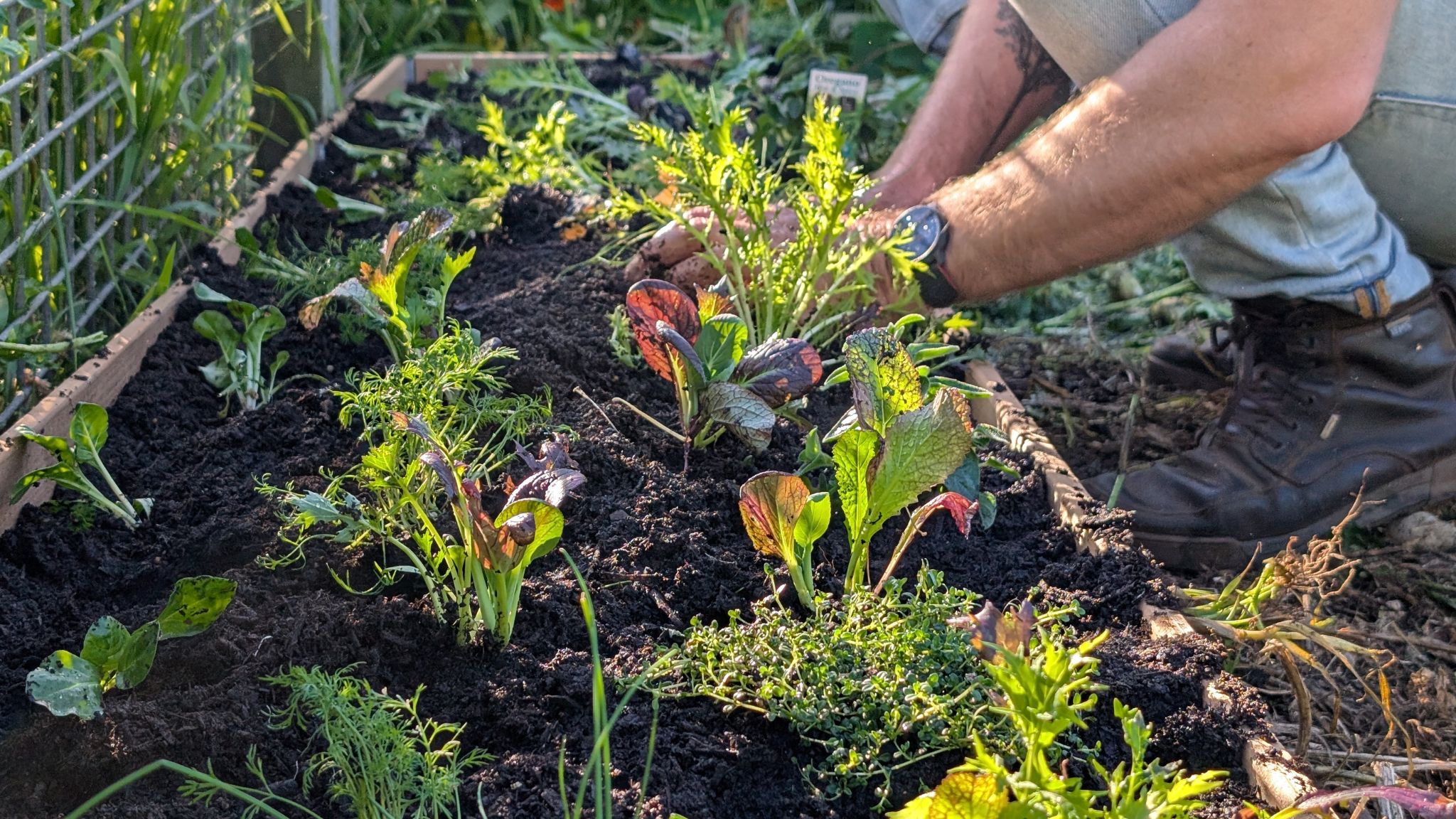
6. Water your your plants in
Your new seedlings and garden bed will need plenty of water to begin with, so make sure that you give the whole bed a nice gentle soaking every couple of days until the seedlings start to show signs of growth again. When you create a garden bed with only potting mix it can struggle to hold water until the soil starts to build some structure of its own, so make sure you pay close attention to the moisture level of the soil and water accordingly.
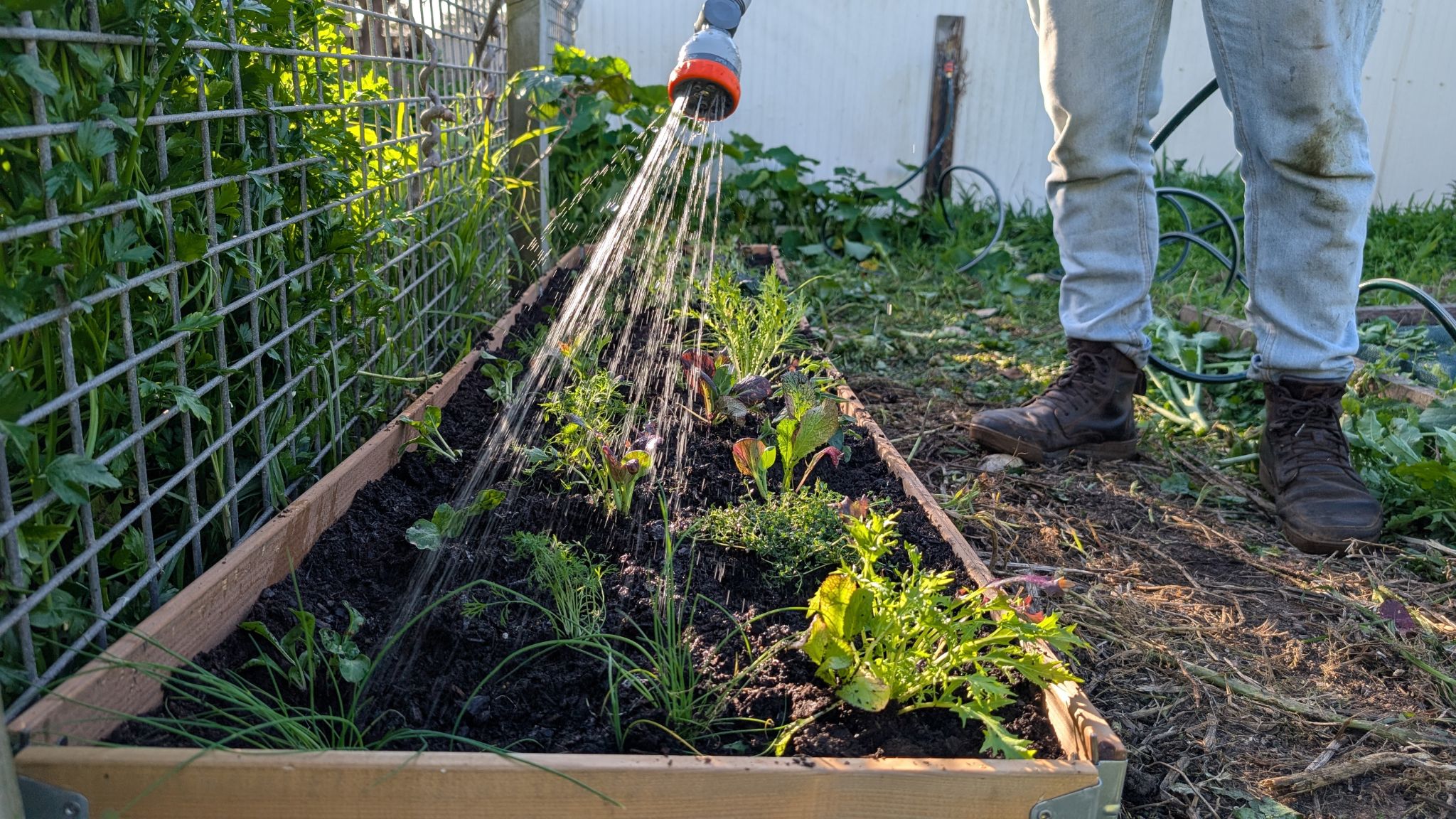
Congratulations! You’ve just built yourself a brand new raised bed and filled it with food producing plants. Best of all, the step up was simple and quick, perfect for rookie green thumbs to get a patch built and growing with just over an hour of labour! In two months time, this bed will be choc a bloc with leafy greens and herbs, all of them delicious and homegrown.
If you’re after a simple, quick and cost effective solution to building raised beds in your patch, then checkout the Large Rasied Garden Bed and Medium Rasied Garden Bed from Backyard Farmer!