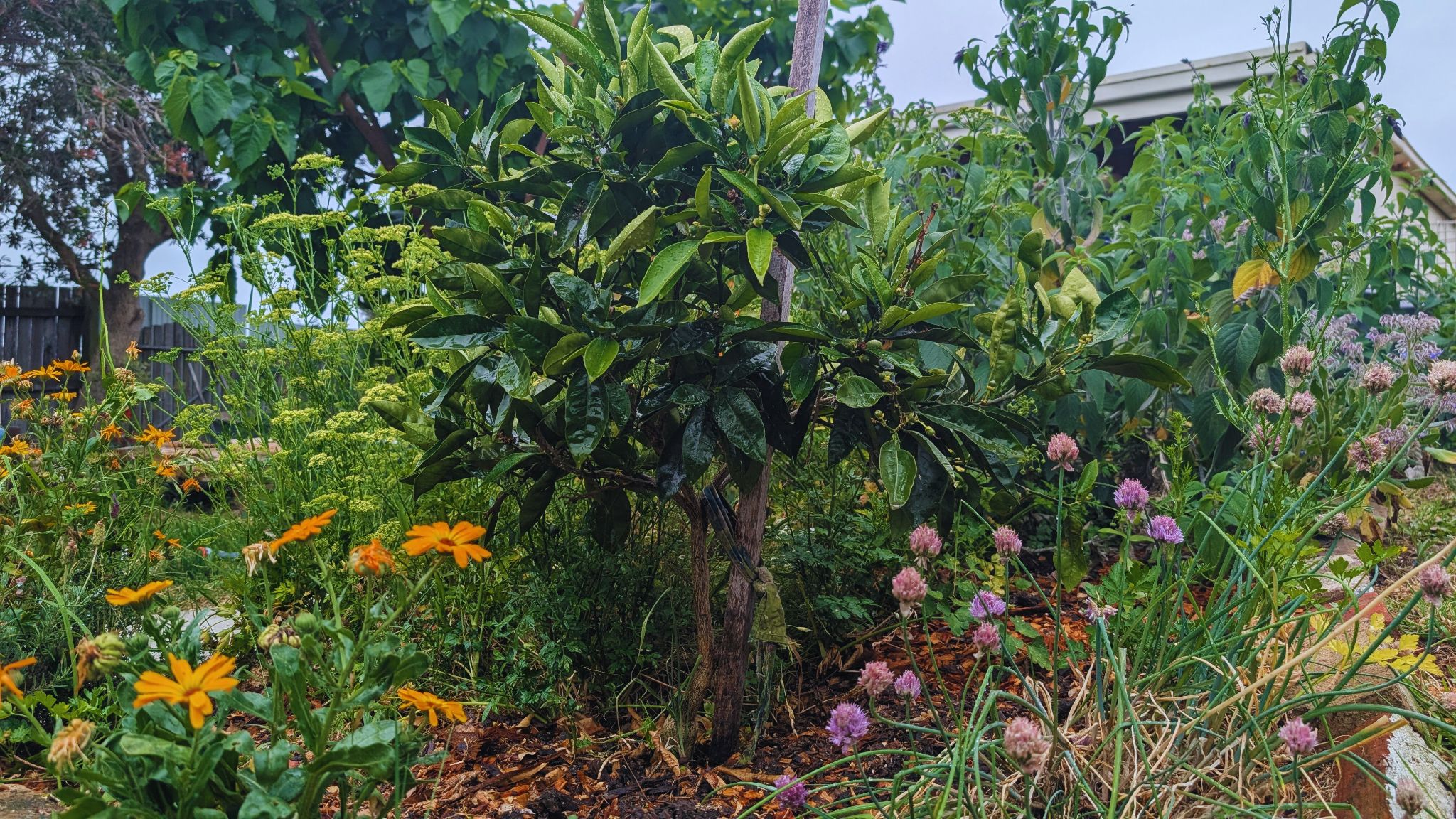
If you want bigger harvests, stronger plants and tastier homegrown food, it all comes down to how you feed your soil and nourish your plants. While compost builds long-term soil health, there are times your veggies and fruit trees need an extra boost, especially during planting and peak growth.
For organic gardeners, that boost needs to come from natural sources rather than synthetic fertilisers. One reliable option many growers use is Yates Dynamic Lifter, an organic slow-release fertiliser made from composted chicken manure blended with fishmeal, blood and bone and seaweed. It feeds your plants steadily while also improving soil quality.
It’s time to learn how to feed your garden the natural way!
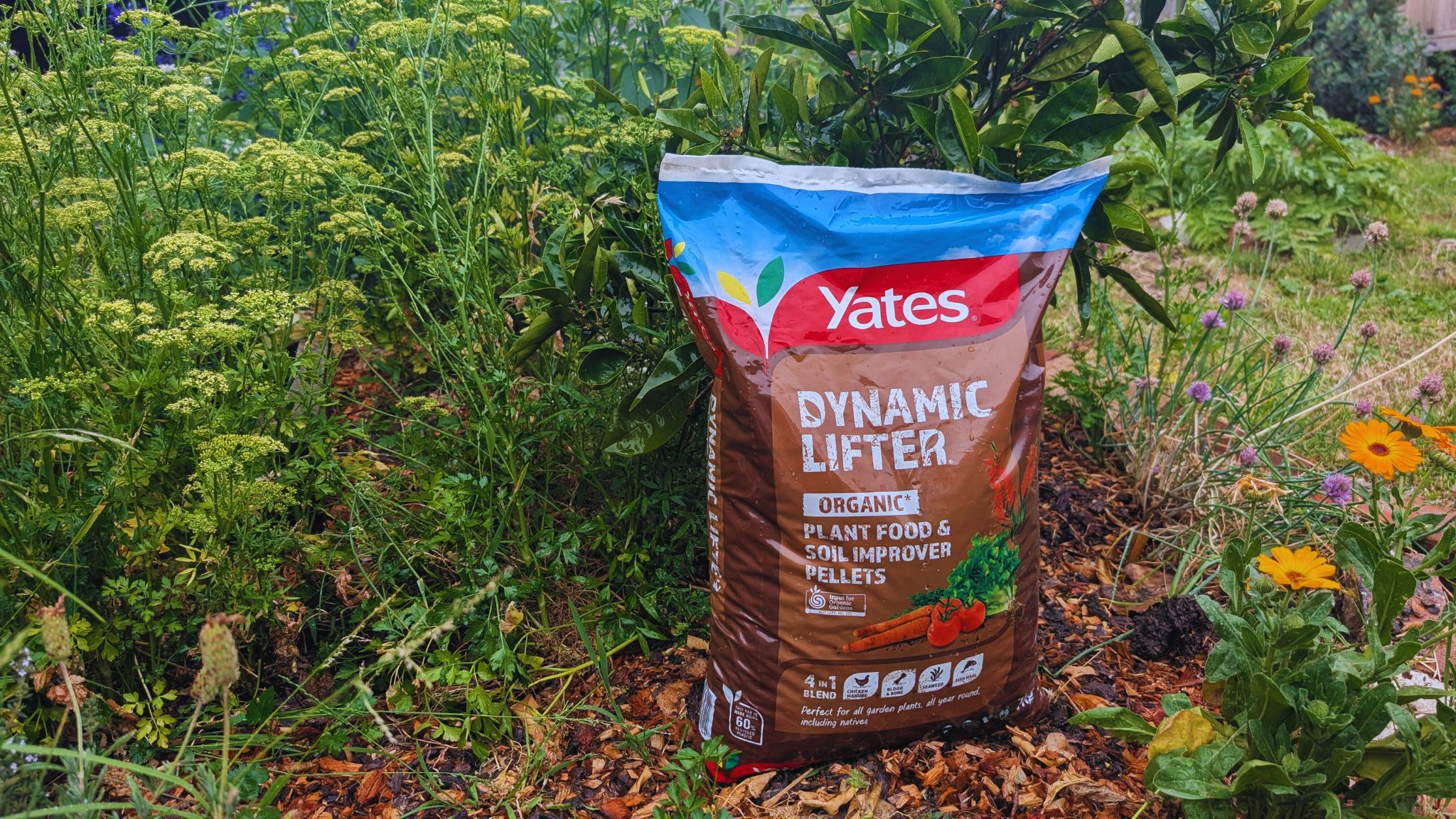
Why Plants Need More Than Just Water and Sun
Healthy plants pull their energy from sunlight, but they still need nutrients to build leaves, roots and fruit. Here are the key nutrients homegrown veggies and fruit trees rely on:
| Nutrient | Role in Growth | Signs of Deficiency |
| Nitrogen (N) | Leaf & stem growth | Yellowing leaves |
| Phosphorus (P) | Root & flower growth | Poor flowering, stunted growth |
| Potassium (K) | Fruit quality, flowering & disease resistance | Weak stems, poor flowering, small fruit |
| Calcium/Magnesium | Cell structure, flavour | Blossom end rot, pale leaves |
Organic fertilisers like Dynamic Lifter contain a balanced mix of these nutrients in forms plants can absorb gradually—perfect for long-term soil health and steady growth.
Feeding Veggie Beds Organically
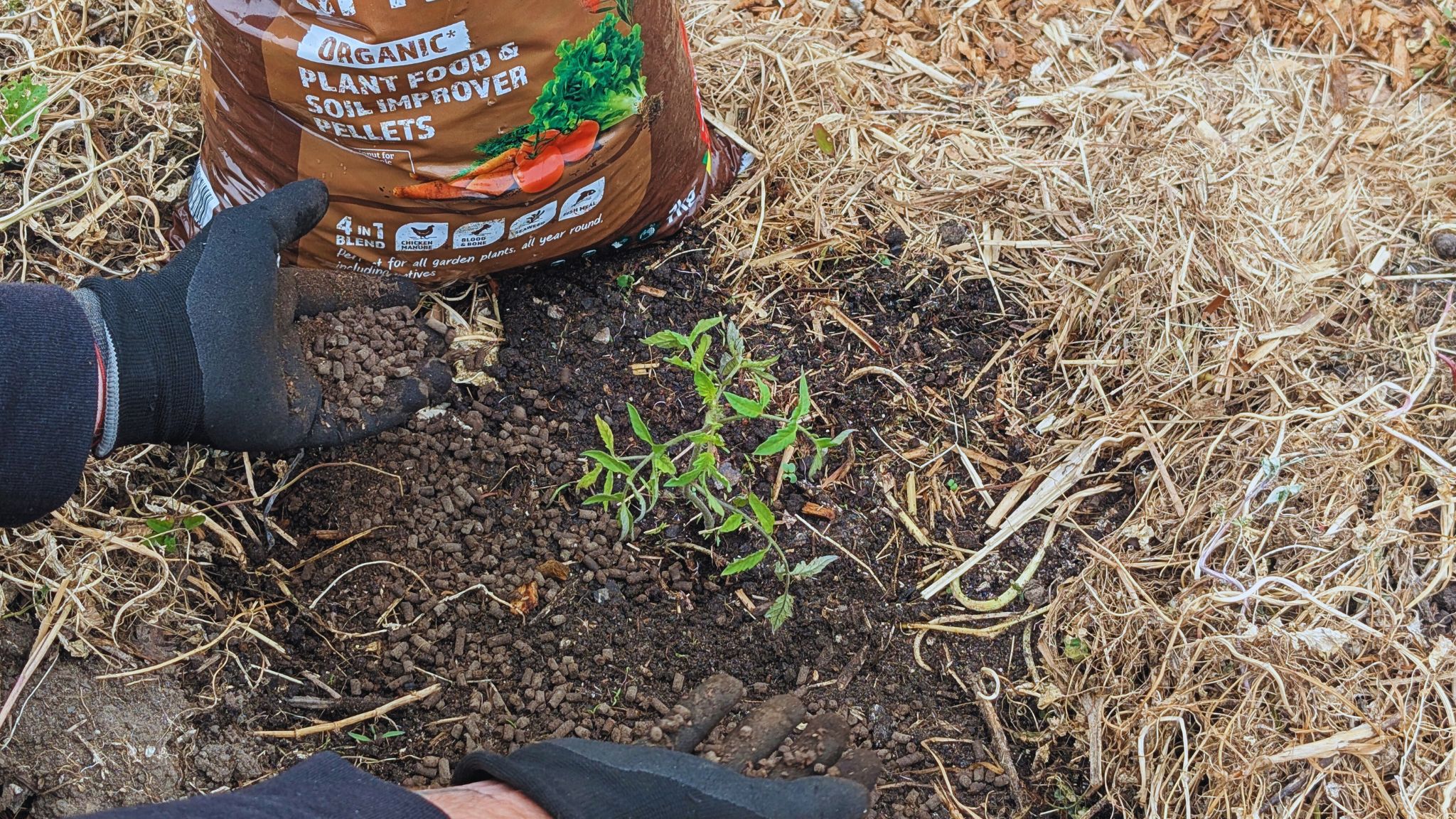
Veggies have different appetites. Leafy greens are light feeders, while tomatoes, corn and pumpkins are hungry beasts.
Best Feeding Routine for Veggie Beds
- Before planting: Mix compost into the top layer of soil.
- Add a natural fertiliser: Sprinkle 75–100g (2 handfuls) of Yates Dynamic Lifter per plant or per square metre and gently work into the topsoil.
- Mulch: Add sugar cane or straw mulch to retain moisture.
- Mid-season top-up: Reapply a light side dressing every 6 weeks.
- Boost biology: Water with seaweed tonic or worm tea monthly to stimulate microbes.
This combination feeds both your soil and plant, naturally and steadily.
Feeding Fruit Trees for Bigger, Sweeter Harvests
Fruit trees love consistency. Whether you've got a backyard citrus or a mini orchard, they respond best to seasonal feeding.
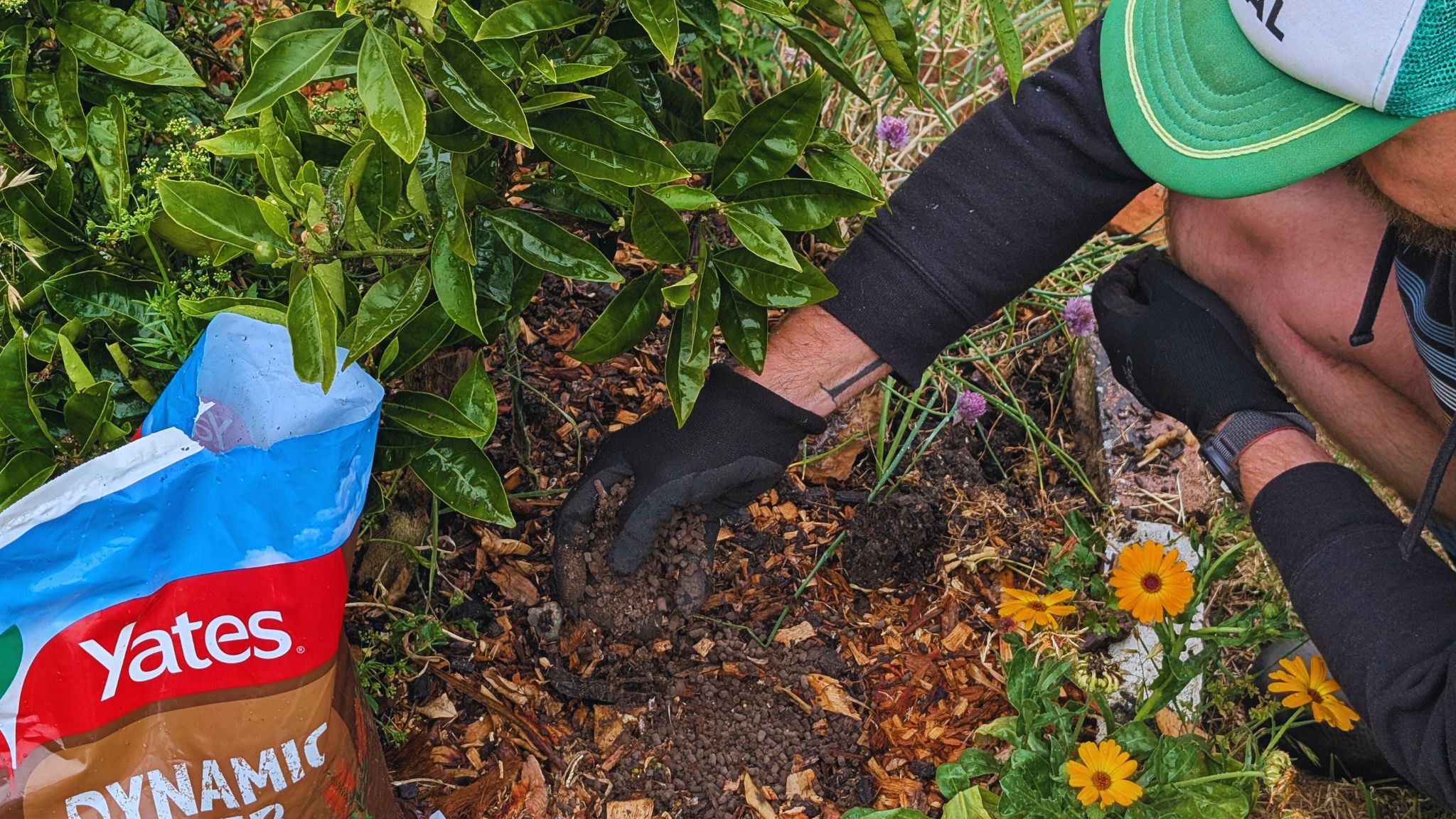
Organic Feeding Schedule for Fruit Trees
| Season | What to Do |
| Early Spring | Add handfuls of Dynamic Lifter around the dripline |
| Mid-Summer | Apply or top up Mulch |
| Autumn | Final feed to prepare for winter |
Fruit trees thrive when nutrients reach their active root zones, which are not at the trunk but out near the dripline. Always water in after feeding.
Why Choose Organic Fertilisers?
- Kinder to soil life
- Lower risk of burning plants
- Improves long-term fertility
- Supports better flavour and nutrient density
- Made from natural materials
Instead of quick chemical hits, organic feeding builds a healthy soil-plant system that becomes more productive every year. Products like Yates Dynamic Lifter are great because they’re safe for veggie beds, fruit trees, natives and herbs, versatile and easy to use.