If you live in Australia, chances are at some stage you’ll be exposed to the risk of bushfire. You don’t have to live deep in the bush to be at risk. Hot days, fire, embers and wind can put homes and gardens that are yonks away from any fire front at risk. Preparing your garden for bushfire season doesn’t have to be a mega project. A couple of solid hours in the garden can reduce the build-up of dry, ember-catching material around your home and you can ease into summer knowing that your place is ready for whatever the bush fire season throws at it.
This article was created in partnership with Cyclone Tools.

Your weekend checklist
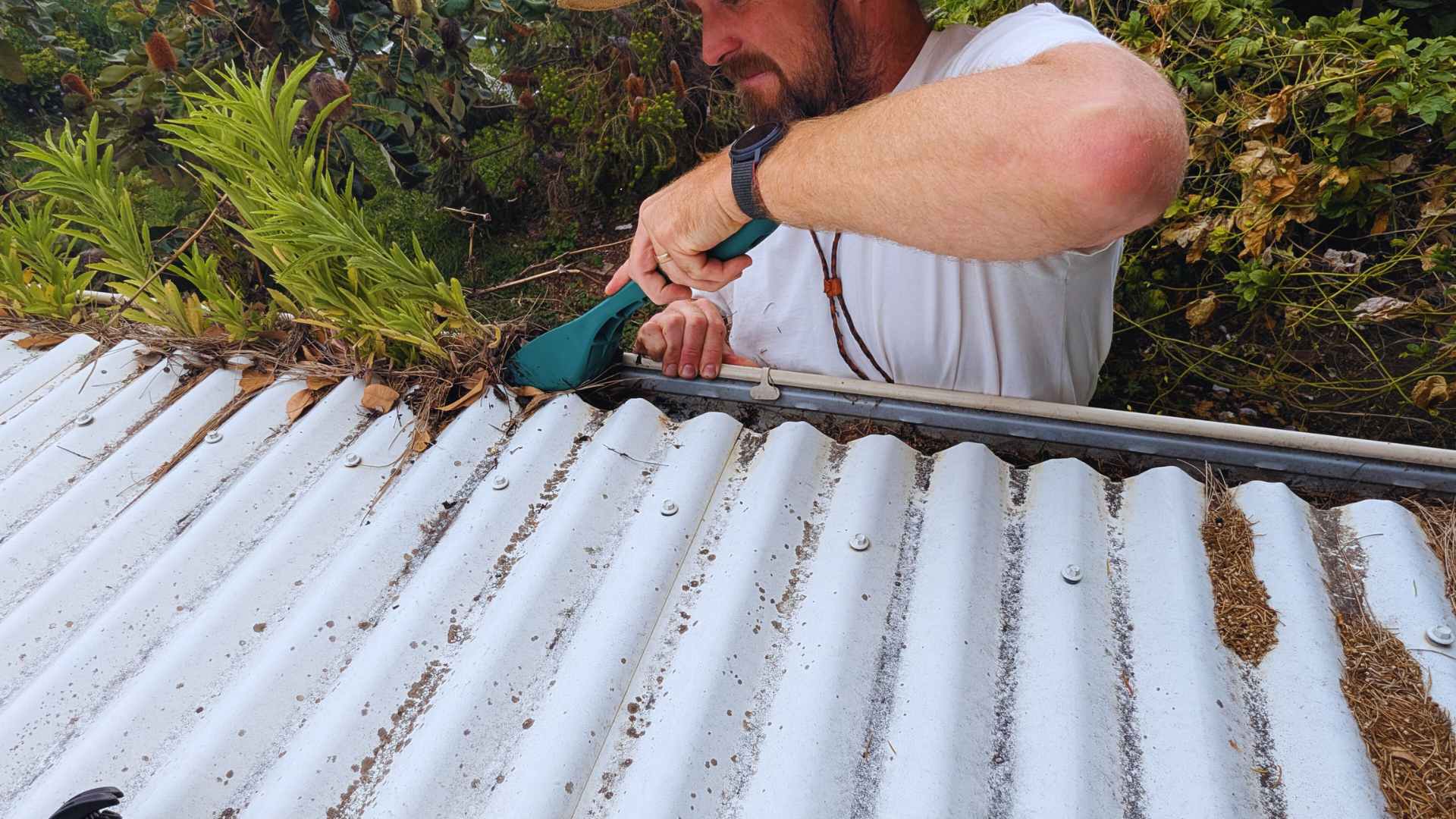
- Clean out gutters and roof edges using a Cyclone Gutter Scoop.
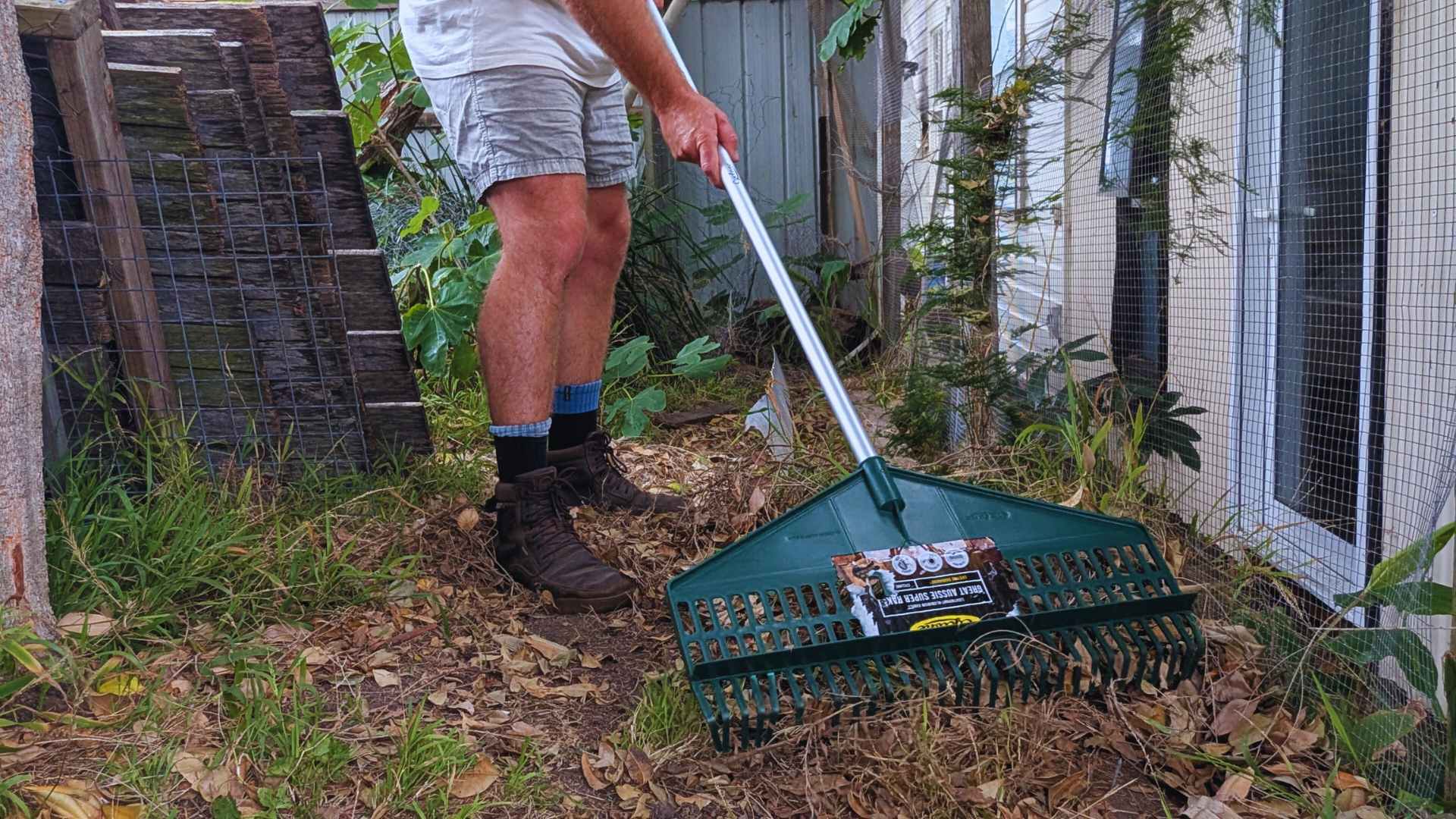
- Rake up dry leaves, twigs and lawn clippings with the Cyclone Great Aussie Super Rake.
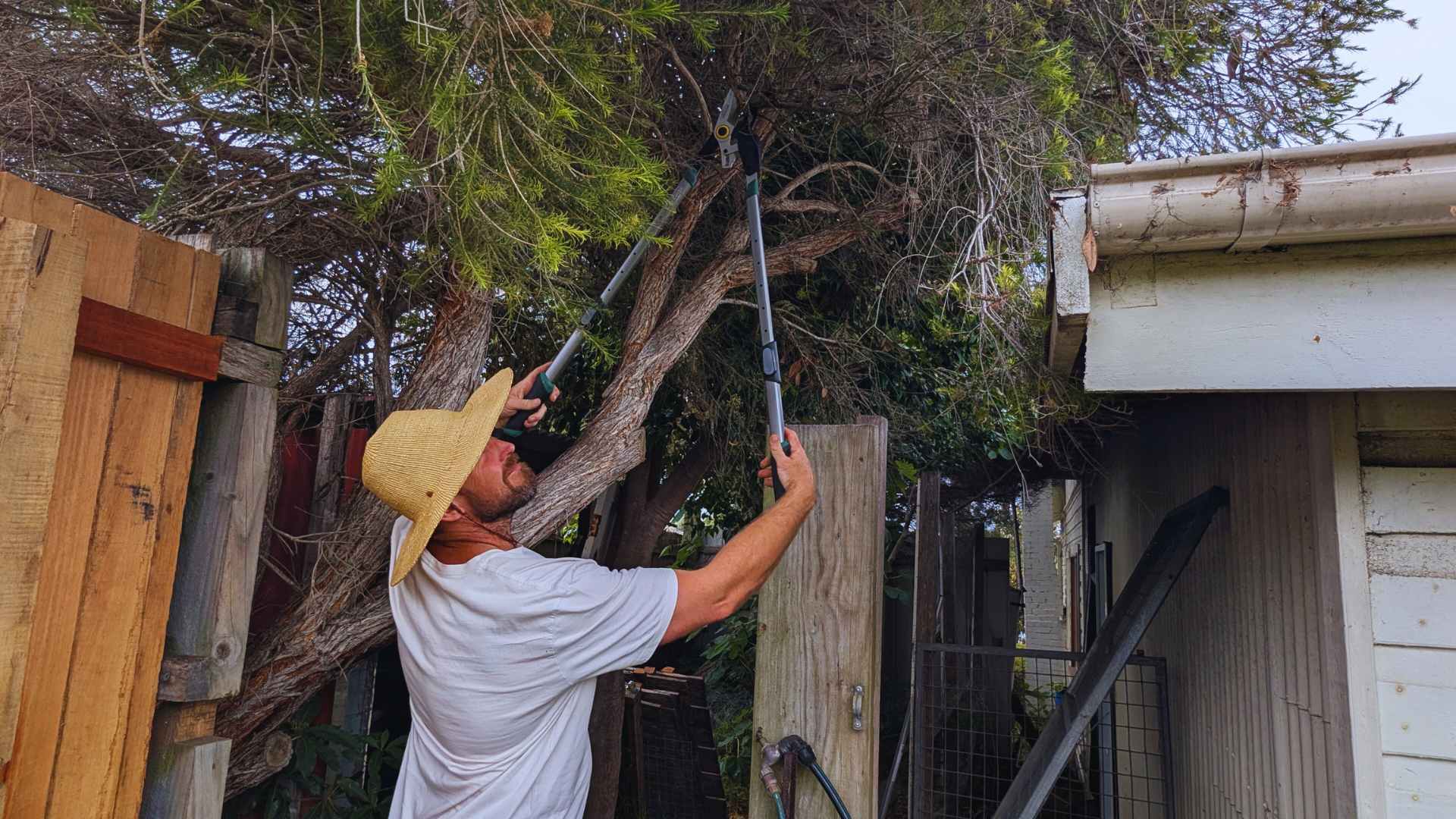
- Prune back overhanging branches and remove dead/dry growth using the Telescopic Quick-Pull Tree Pruner and the Cyclone Professional Telescopic Ratchet Bypass Lopper
- Mow/whipper-snipper and tidy edges, then remove clippings and leaf litter.
- Clear away flammable “stuff” near the house (timber stacks, cardboard, spare mulch piles, dry palm fronds).
1) Clean out gutters
Gutters are classic collection points for dry leaves, bark and twigs, the last thing you want stockpiled ON your house on a high fire danger day. Use a ladder to access your gutter, taking extra care to make sure that it’s safe and stable to clean out any debris that may have accumulated.
A tool that’s made for the job makes this much easier. The Cyclone Gutter Scoop is designed to lift out gutter build-up quickly and neatly, so you can clear sections efficiently without awkward hand-scooping. As you go, check downpipes too, if they’re blocked, water can’t flow and debris can keep collecting.
Once the gutters are clear, it’s worth doing a quick lap of the roofline (from the ground) to spot places where leaves love to lodge: behind solar panels, in corners, and where roof meets fascia.
2) Rake up leaf litter and garden “crumbs”
Leaf litter isn’t just harmless garden mess, in hot, dry weather it becomes fuel. Dry leaves, twigs, bark and lawn clippings gather under shrubs, along fences, around garden beds, and in the little sheltered spots the wind pushes everything into.
To make this job faster, use a wide rake like the Cyclone Great Aussie Super Rake to clear larger areas in fewer passes. Focus on the zones that matter most:
- Right around the house and deck
- Beside sheds and outdoor storage areas
- Along fence lines
- Under trees and shrubs where debris collects
Once you’ve done a big clean up, staying on top of it is much easier. A quick rake every week or two keeps the build-up from returning.
3) Prune back overhanging branches and dead growth
Overhanging branches, dense shrubs close to structures, and dead/dry growth can all add to the “fuel load” around your home. Pruning is about creating space, improving airflow, and removing dry material without going overboard.
For harder to reachoverheadbranches, Cyclone’s Telescopic Quick-Pull Tree Pruner is the perfect tool for the job. For thicker branches, use the Cyclone Professional Telescopic Ratchet Bypass Lopper to make short work of them
Work methodically:
- Start with anything dead, damaged or hanging low
- Trim back growth that’s touching or brushing structures
- Step back regularly and check you’re keeping a natural shape (not turning everything into a stump)
4) Mow, whipper-snipper, and remove the leftovers
A neat mow and tidy edges are simple jobs that can make a big impact, especially if you’ve got long grass around fence lines, paths, garden borders or under trees.
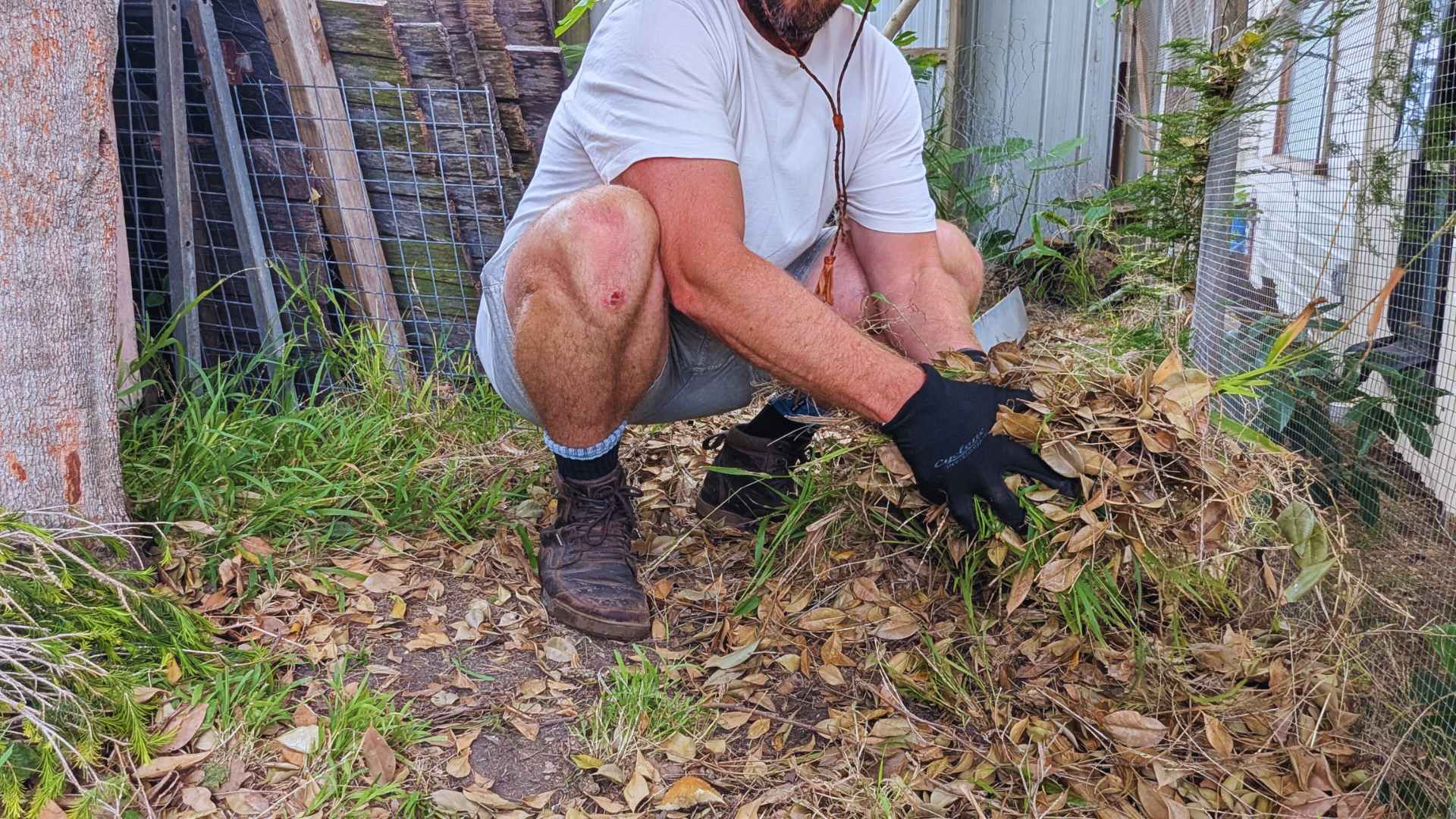
The key part many people skip is the clean up. After mowing or whipper-snipping, rake up the dry clippings and any shredded leaf litter instead of leaving it sitting there to dry out. This is another perfect moment to use the Cyclone Great Aussie Super Rake, because it’s quick to cover ground and gather the bits that spread everywhere.
If you compost, add fresh clippings in thin layers, so they don’t go slimy and anaerobic.
5) Clear away flammable stuff from near the house
This one is sneaky because it often looks harmless: stacked timber, spare cardboard, old potting mix bags, dried palm fronds, leftover mulch piles, and “I’ll deal with it later” garden odds and ends.
Do a sweep of the first few metres around your house, deck, and sheds and remove anything dry or easily ignited. Move timber and stored items further away, keep walkways and corners clear, and store garden supplies in sealed containers where possible.
To finish, do a quick rake through of nearby garden beds so you’re not leaving a line of leaf litter tucked against walls and fences.
Ticked off your weekend checklist? That’s time well spent. A little preparation now means your place is ready for whatever bushfire season has in store.