Congratulations my friend, you’ve decided to take the plunge and try your hand at growing a few veggies. You’re keen. You’re feeling inspired. You’re ready to become a hard core home food grower, the only problem is that you have no idea where to start. Growing food is a skill that has been passed down through the generations since the dawn of agriculture, but it’s only in VERY recent times that these essential skills have fallen by the wayside. The good news is that growing food isn’t rocket science, it’s something that people all over the world do every day and humans have been doing for 1000s of years. No pressure. I’m going to walk you through some simple steps that you can follow to get start your first ever veggie patch and get it pumping out the produce.

Get the basic tools
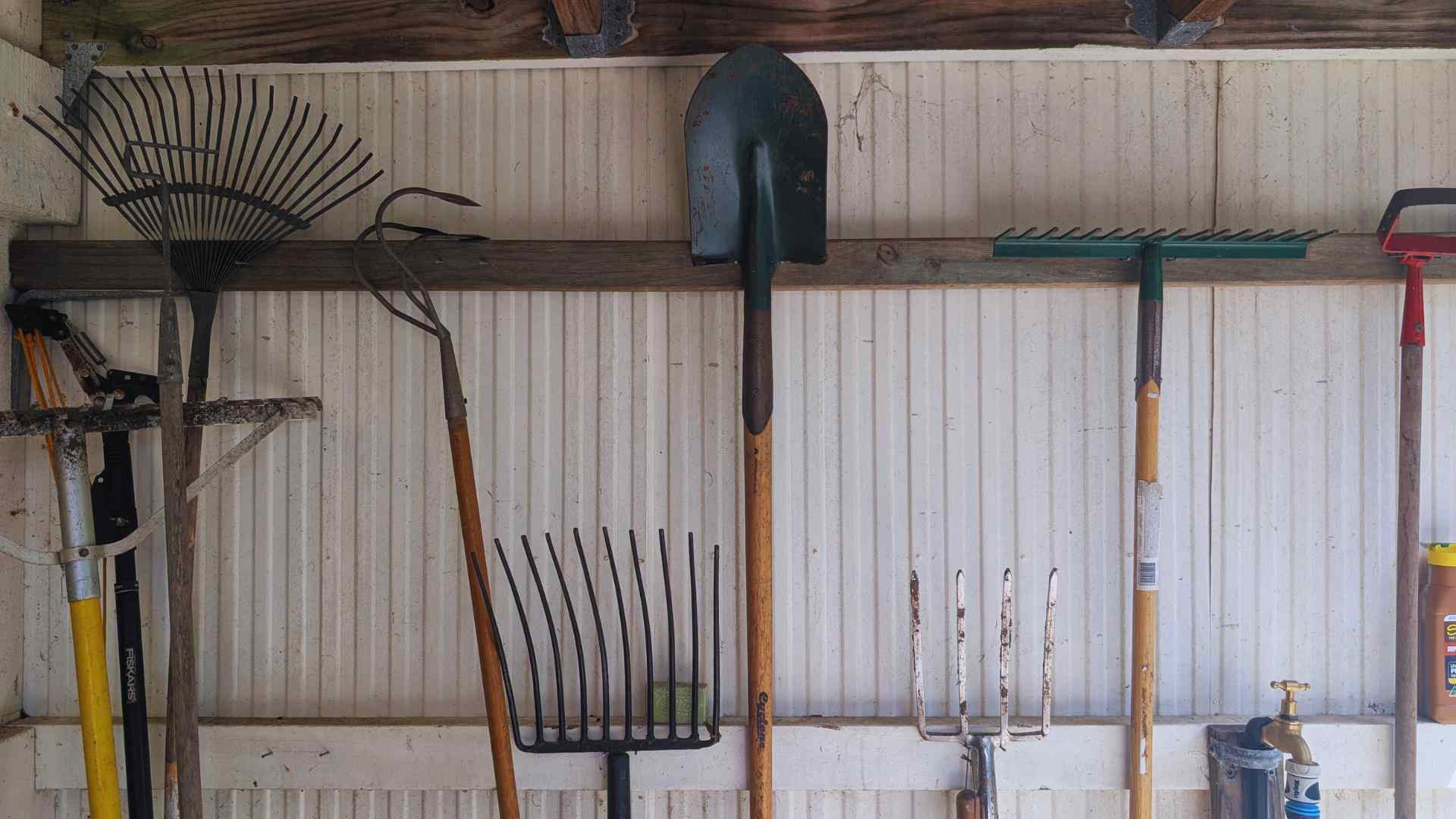
This doesn’t have to be complicated, any trip to the big green shed would have you believe that you need at least 5 different types of shovel to garden, you don’t. To keep it super simple, you need:
- Something to water with: eg a Watering can or a hose and spray head
- Something to move dirt with: eg a shovel or a trowel
- Something to loosen soil with: eg a garden fork
- Something to move bits around your garden with: eg a wheel barrow or a 20l bucket.
That’s ALL YOU NEED to get started (says the guy with 5 different types of shovel 😅)
Choose your site
Obviously, you need somewhere to grow your veggies. It can be in your backyard, on a balcony, in a courtyard, on a verge, on a windowsill or in a community garden. The options are limitless so long as they meet a few basic requirements. First and most importantly, the spot that you choose will need adequate sunshine. Your plants can’t grow without it. Ideally, your potential spot will get at least 6 hours of sunlight every day, year round. Bonus points if that sun comes mainly in the morning and middle of the day and is protected from hot afternoon sun, especially during the summer months in hot climates (which is 95% of the Australian continent). Other considerations for choosing your site are access to taps, tool storage and living spaces. You want to make sure that your garden is as convenient for you as possible. You don’t want to have to lace up the hiking boots to fill up your watering can or get a trowel, and you don’t want your garden tucked into some forgotten corner of your place that you never visit or see. Your patch should never be out of sight, out of mind!
Choose how you’re going to grow.
You’ve picked out a nice sunny spot, with a tap nearby, so now what? Now you need to make a choice about how you want to grow. Do you want to grow in the ground? Do you want raised beds? Do you want to grow in containers? Let me help you make the choice based on where you’ve chosen the site for your patch.
Your spot has nice soil and plenty of space >>> In ground beds
Use a spade to define the edges of your garden beds. I like to make sure that mine are no wider than 1m so that I can easily reach into the centre of the bed to weed and plant. Then remove any grass or weeds from your bed (this can be a big job depending on what grass you have). Use a garden fork to loosen up the soil. Give the soil a feed with some compost, worm castings or organic fertiliser, then give it all a rake to smooth it out. Voila! You’ve just made your first garden bed!
Your spot has bad soil, but plenty of space >>> Raised beds
With enough time, you can improve any soil, but if you’re starting out with really poor soil, you may be fighting a losing battle. In this case, I like to build my garden beds up. Raised beds can be as simple as a few logs arranged in the shape of a garden bed or a complex as a landscape architect designed homage to 1930s Australian Modernism. The drawback with raised beds is that you need to bring soil in. Look for landscape suppliers that offer a high quality veggie mix. Ideally ask other gardeners in your area who they’ve used and if it was any good. Unfortunately not all purchased soil is created equally and I’ve seen countless times where people have purchased “veggie mix” and it has been terrible and totally unsuitable for growing food in. Once you’ve tracked down some high quality soil, use it to fill your beds, add some compost or worm castings to the top and you’re ready to plant!
You have a small space/concrete/rental >>> Pots and Containers
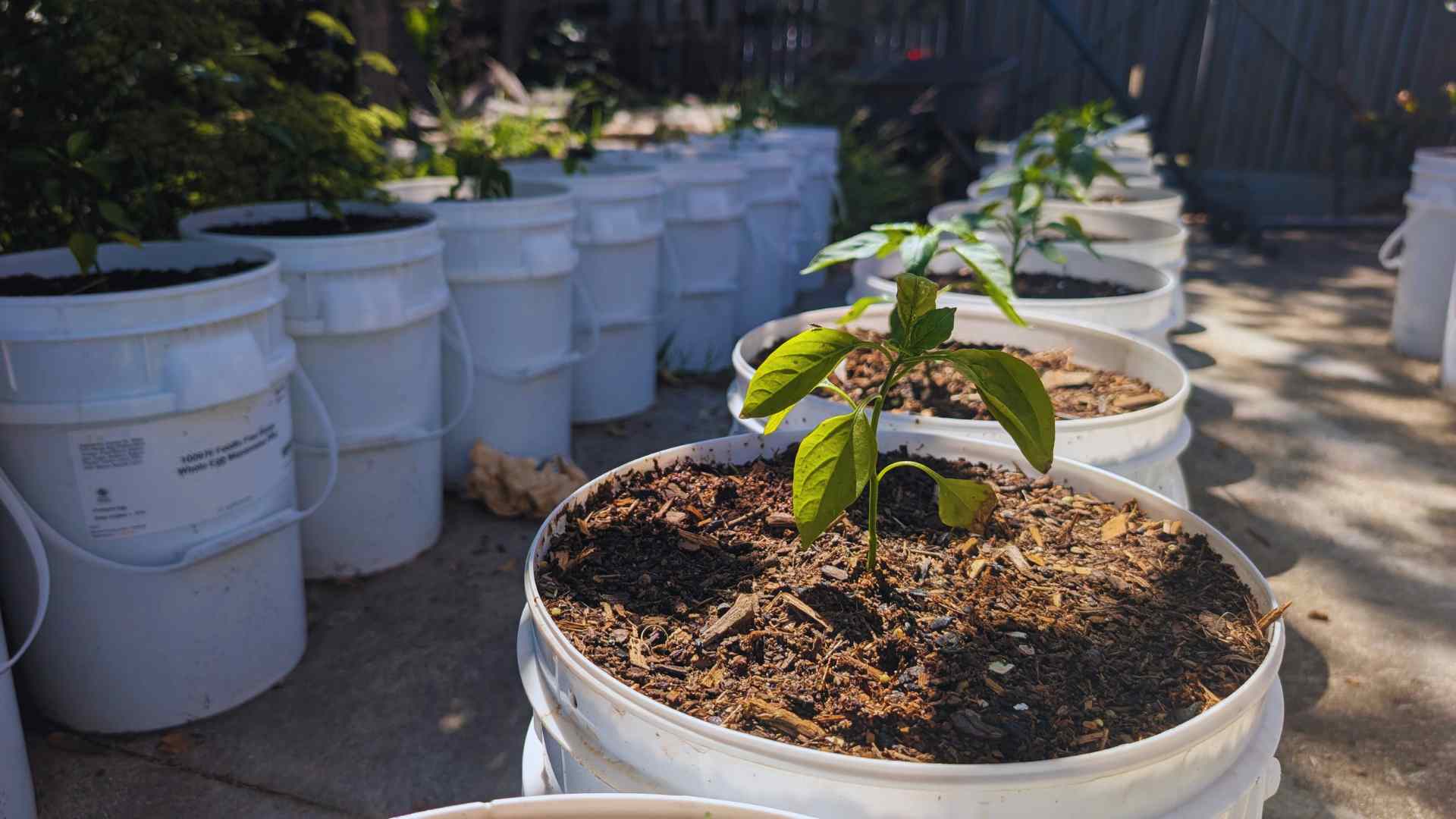
The great thing about veggie patches is that they don’t need to go in the ground. Some of the most vibrant and productive patches that I’ve ever seen have been grown in containers and pots. So if you don’t have any suitable patches of ground to plant into or if you’re living in a rental, containers are your best friend! You can really grow in any vessel that will hold a decent volume of soil, but I like to grow my veggies in a container that has a minimum of 30cm of soil depth. To fill your pots or containers, use high quality potting mix, look for the brands that have the red ticks on the packaging to make sure they meet Australian standards. Fill up your pots with potting mix, add a little compost or worm castings to the top and you're good to plant!
Choose your plants
You’ve got your spot, you’ve got your beds, the only thing that you’re missing now is some plants! If it’s your very first time growing, then I recommend that you start with some seedlings of your favourite things to eat. It’s important that you choose plants that are suitable for growing in your climate and at this time of year. If you’re not sure, a general rule of thumb is that plants that make fruit grow in the warm season and plants that grow roots and leaves grow in the cool season. Plant your chosen seedlings and make sure you show them plenty of TLC in the first couple of weeks, while they establish themselves and become more resilient.
If you’re after a guide of some easy planst to grow you can check out my guide to the 10 easiest veggies to grow at home

Maintain your patch
One of the most important things to learn about growing your own food is that it’s a leisurely marathon, not a frenetic sprint. After going to all that effort of creating your beds and planting your plants, it would be a shame to see all that effort fall by the wayside by forgetting about your patch! I like to check on my plants every day, even if it’s only for 2 minutes. I make sure that I water young plants daily as watering the whole patch daily during spells of hot weather. I feed and nurture my plants with regular applications of organic fertilisers and Seasol and I pull out any weeds that are competing with my precious veggies for sunlight, space and water. You don’t need to spend hours in the garden everyday (even if you’re like me and want to) but it is super important that you try to spend a little bit of time in your patch every day. Remember to start small with your patch and to expand it as your skill and confidence grows. Happy gardening!