So you’ve decided to try your hand at growing some of your own food? First of all, congratulations on making the decision to have a crack at one of life’s most rewarding (and sometimes challenging) pastimes. I know it can seem daunting right now, but we're here to help you get an understanding of the basics that you’ll need to know to turn that thumb of yours green. Now this isn't meant to be an exhaustive master class on how to grow your own food. What it does do, is outline some basic concepts that you'll have to wrap your head around as you embark on this great adventure of growing your own food. Here’s a quick cheat sheet of some things that you'll need to know to begin your growing journey.
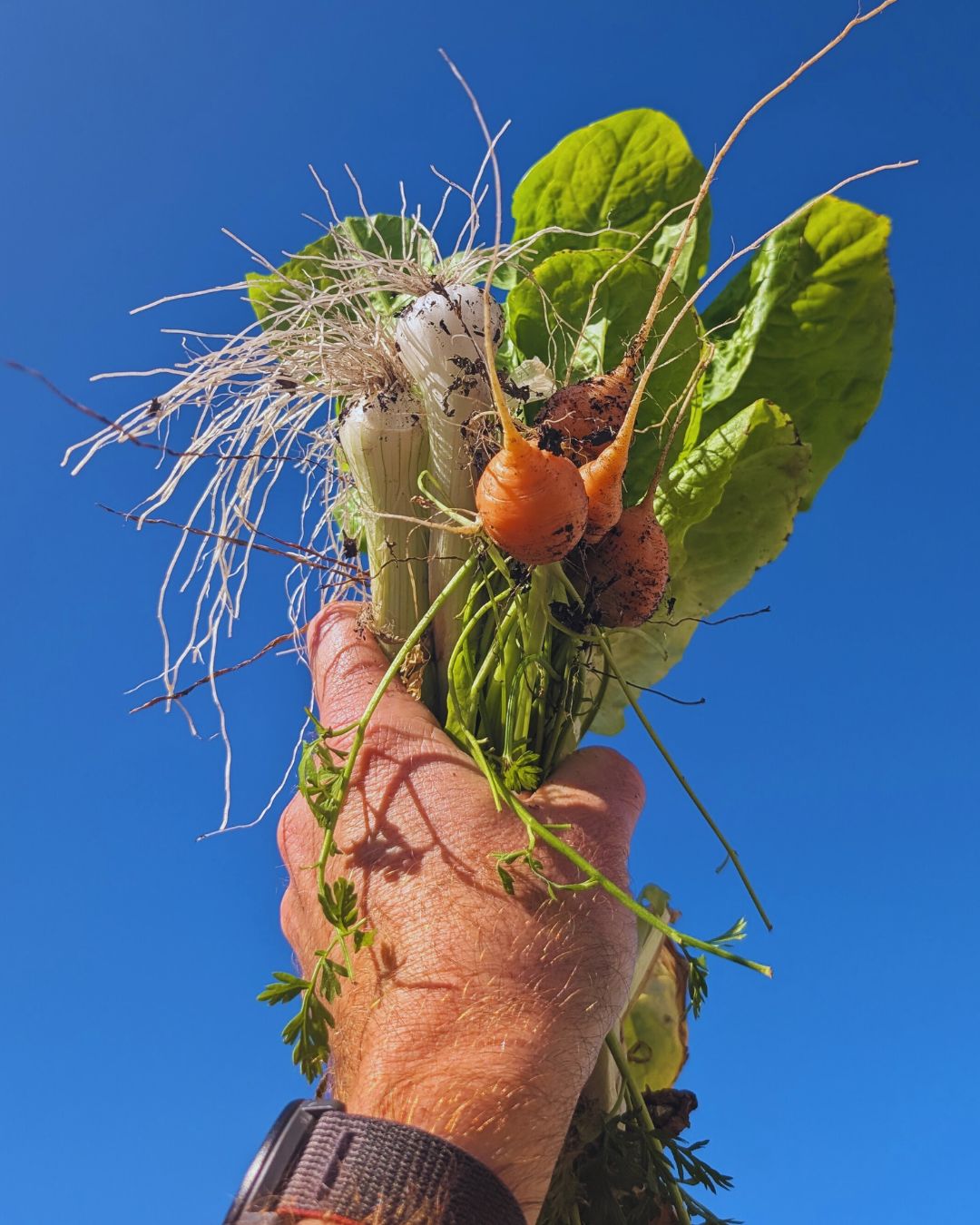
Soil: Feed your soil with things like compost, worm casting or organic fertiliser. Healthy soil = healthy plants = tasty food
Water: Water frequently at the soil level, not all over the plant. Through the warmer months we’re talking every day or so. Seedlings and germinating seeds need watering more frequently and are more vulnerable to drying out than mature plants
Sunshine: Set up your patch somewhere that gets at least 6 hours of sunlight daily
Planting: If you’re just starting out, I recommend that you start by growing seedlings of easy to grow veggies like cherry tomatoes, zucchini and lettuce.
Your Attitude: You’re learning a new skill, be patient, persist and enjoy the journey!
Soil
Healthy soil is the foundation of a thriving and abundant garden. Getting your soil right will be one of the biggest factors in determining whether or not you have a pumping patch full of healthy plants or if your patch looks like a plant graveyard. Now soil is a big topic, so we won’t go into detail here, we’ll save that for another day. The most important thing to know when you're beginning your gardening journey is that you need to feed your soil. Adding things like compost, worm casting or organic fertilisers to your soil provides your growing plants with the nutrients they need to thrive.
Water
I feel like this is where most novice gardeners come unstuck. Either by watering too little and your plants dry out, or by watering too much and your plants drown. With watering, consistency is key. The times when you have to be really onto your watering is when plants are young and establishing, when the weather gets hot, or when you're growing in pots, which can dry out quickly. During these times I water daily, giving the soil a good soak. At other times, like when when plants are more mature and deeply rooted, or during the milder winter months, develop and use your judgement. If the soil looks dry, give it some water.
Sunlight
Plants NEED sunlight to grow. As a rule of thumb, make sure your patch is getting at least 6 hours of sunlight a day, ideally from the morning through to the early afternoon. If you live in a hot and dry climate, which let’s be honest, is a good chunk of Australia, then there is such a thing as too much sunshine, especially when it's hot, summer afternoon sun. So if you live somewhere like this, try to shelter your patch from the worst of the afternoon sun. Some plants like leafy greens can grow in partial shade, but generally, plants that produce a large fruit (think tomatoes, pumpkins, zucchinis) will need loads of sunshine.
Planting
Ah yes, you can’t grow food without actually planting things. If you’re just starting out, I recommend that you start by planting seedlings. They are more forgiving to the beginner grower, and will mature much quicker. That said, it's good to start trying your hand at growing seeds as soon as possible as it opens up a much broader world of veggie varieties and is way cheaper than buying seedlings. A $5 punnet of lettuce seedling will give you half a dozen plants, whereas a $5 seed packet of lettuce will give you 1000s of potential little lettuces.
When planting, add some plant food like compost or worm castings to little hole you've made for your seedling, and make sure you give your seedlings a good watering. Keep an eye on them daily for the first couple of weeks until they start to take off.
Positive Attitude
This is the most important thing that you need as a beginner gardener. Yes, things that you plant will die. Yes it may seem hard and fruitless at first. No, your garden won’t look the same as someone's that’s been growing for 30 years. But guess what, that’s totally fine! The main thing is that you embrace the process of gardening, make it a part of your life and persevere when mistakes or setbacks happen. The good news is that plants and seeds really want to grow and once you pick up a few basic skills, you can help them do their thing. One thing that I like to encourage new gardeners to do is try and make gardening a habit. Plants thrive on attention, so doing a little bit in your garden every day is more impactful than doing a big session every fortnight.
So, how are you feeling? Inspired? Confused? Overwhelmed? Ready to turn your entire backyard and your neighbours verge into a veggie garden?! You'll experience all these emotions on your gardening journey, don't worry. The good thing is that once you get a handle on the basic concepts that I've outlined above, growing your own food gets easy. And trust me, you never stop learning and making mistakes, so don't beat yourself up, just get back in your patch and keep on growing!